Global Money Week

Money Minds episodes
In this episode, Tom Shaw, Software Developer & Tech Content Creator, talks to host Hanan about cybersecurity, and how scams can be increasingly difficult to spot – sharing his tips on staying safe and cyber-secure online.
Maddie Borge, Content Creator & Founder of travel accessories brand Pastael, talks to Hanan about her journey and shares tips on building a business online.
Salvador Couto, Professional Big Wave Surfer, talks to host Hanan about how to use your money the smart way when travelling, and ways to avoid those easy-to-make travel money mistakes.
New Partners
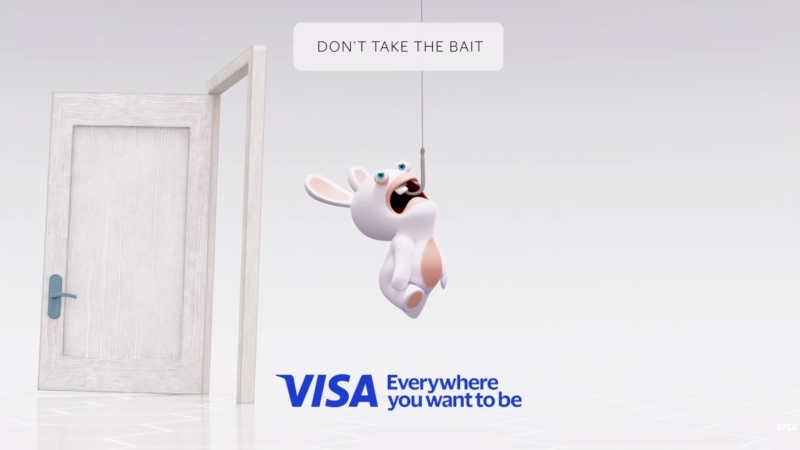
Don't Take the Bait - Rabbids
Through our partnership with Ubisoft, we’ve joined forces with the iconic Rabbids Crew to bring online safety to life.
Enabling Gen-Z entrepreneurs to grow
This Global Money Week 2026, we’re launching a new initiative in partnership with Youth Business International (YBI), providing financial education and a tailor-made curriculum to young entrepreneurs in Europe – helping them to learn and upskill to grow their businesses.

Platforming young voices in finance
Visa is partnering with the OffSchool Foundation in Poland to uplift young people’s voices when it comes to designing banking products – kicking off with a practical guide for entering adulthood, focused on payments and managing finances while travelling and living abroad.
Global Money Week Archive
Global Money Week 2025
Being aware of AI fraud
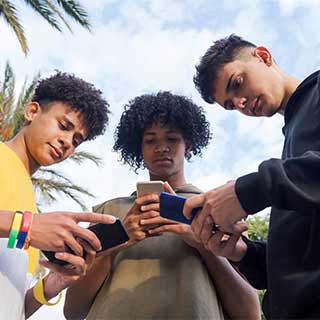
In this episode of Money Minds, Visa’s Head of Design Strategy, Andreas Roos, explains how AI is making fraud harder to spot — and shares some top tips to help you spot scams.
What is phishing?
Phishing scams often create a sense of urgency to make people act quickly, and if successful can lead to identity theft, financial loss, or access to personal accounts. This Barclays Life Skills article provides more information on phishing, as well as vishing and smishing.
What are deepfakes and AI chatbots?

What should I do if I think I’m being scammed?

The basics of entrepreneurship
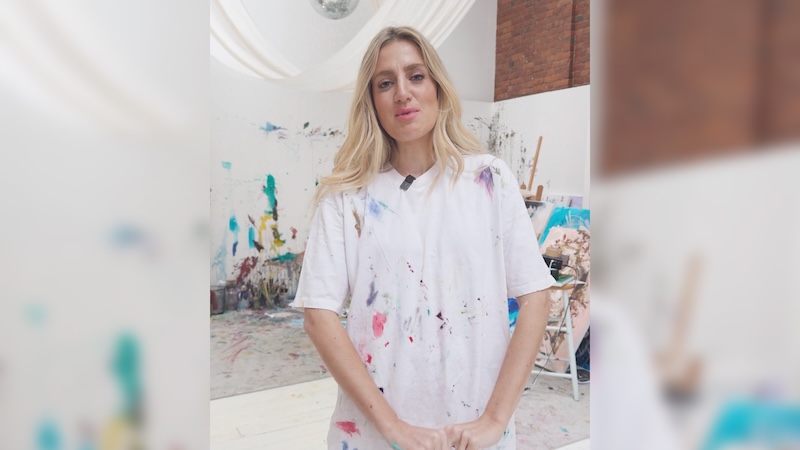
In this episode of Money Minds, artist and online creator Sophie Tea shares her business story and gives advice for budding entrepreneurs.
What to consider before starting a side-hustle or business
Understanding what customers want, or might want in the future, is a key part of entrepreneurship. Take some time to research the market, and make the most of free tools such as social media to connect with your potential customers and ask questions.
When you’re clear on your business idea, it’s wise to put together a plan — which is like a roadmap of where you want to go. The Practical Business Skills hub provides a helpful guide to creating your first business plan, plus more tips on getting started.

Is being an entrepreneur right for you?

Building financial resilience
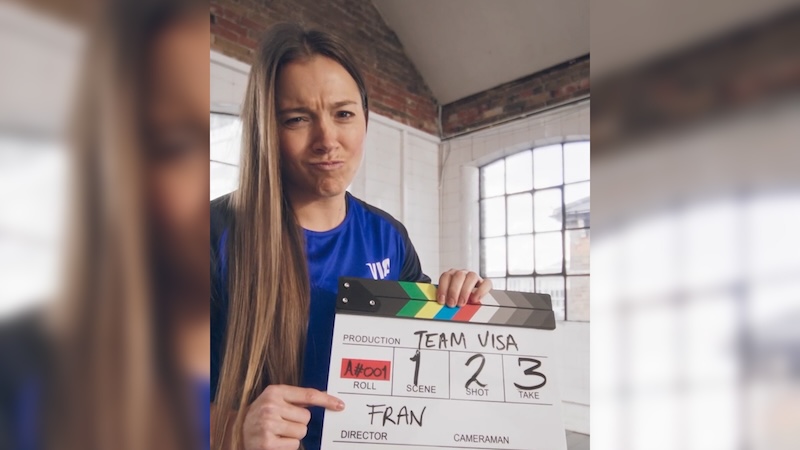
In this episode of Money Minds, Visa athlete and England midfielder Fran Kirby delves into the lessons she’s learned on the pitch and how she applies them to managing her money.
How to nail the basics
First, add up how much money you have coming in each month to work out your income, then estimate your expenses. Once you’ve totalled up what’s coming in and out, you can then work out the difference — and voilà, you have created a monthly budget.
It’s a good idea to track your income and expenses so that you can make sure you’re sticking to your budget. Get started using our budget worksheet on The Practical Money Skills hub, which also provides more information and a range of free tools to help you on your journey.

What to be prepared for
Just like in football, confidence helps build resilience when it comes to your finances. Challenges are inevitable in life, but by building knowledge and skills you can feel empowered to take the next step. It’s important to think about your own financial priorities, and what events might be coming up in your life. It’s also a good idea to build an emergency fund of savings, so that you’ll have some money set aside should you face unexpected expenses. Watch professional footballer and Team Visa athlete Megan Campbell as she shares her top money tips.

Ready to test your knowledge?
Grab a pen and take the Money Minds video quiz.
Global Money Week 2024
Watch videos from last year’s event below:
Europe’s next generation of entrepreneurs
Mandy Lamb, Managing Director, UK & Ireland, Visa
Teaching kids about entrepreneurship with Barclays Eagle Labs

Helping young people access money lessons with MyBnk

Leveraging social media for financial education with Biz Kids
Bite-sized lessons
Short for time? Here are some bite-sized videos to keep learning on the go.
Money Minds library
Keep the learning going to level up your financial game.